
DoorBird access logs, activity records and visitor history for every door
DoorBird Manager keeps the complete record from your DoorBird intercoms — every doorbell call, keypad and RFID entry, relay release and motion event — and emails scheduled activity reports to owners and property managers. Share the visit history read-only with anyone who needs it, without handing over your logins.
$20 per device / month · history, reports and manager sharing included.
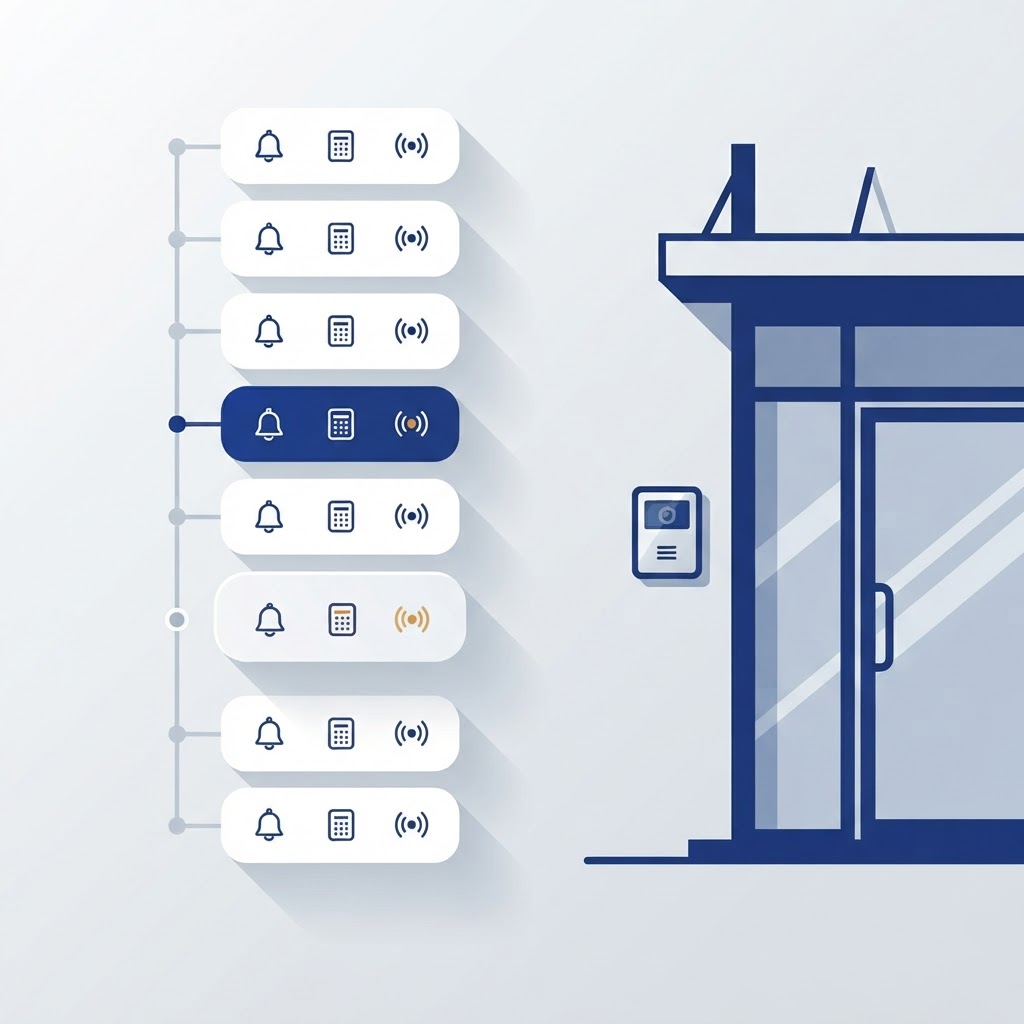
Access logs · Activity · Visit history
The access log for every DoorBird door you manage
A DoorBird intercom reports what happens at the door — and then the notification is gone. DoorBird Manager turns those reports into a permanent record you can search: access logs for every entry, the full activity timeline for each device, and a visitor history that still answers the question months later. Works with the DoorBird intercoms you already own.
Access logs
Every entry the intercom reports, written down: keypad codes, RFID cards, the relay releases that open a gate or door, and doorbell calls. Each line carries the source it came from — Unit 4B, Front entrance, Garage — the property, the device and the exact local time.
- Keypad, RFID and relay-release entries with the source that triggered them
- Doorbell presses recorded even when nobody answered
- Filter the log by date range, device, property or event type
- Unrecognized keypad and bell sources flagged, never silently dropped
Activity records
Activity is the full event stream, not just entries: motion, doorbell, keypad and relay events on one timeline, with repeat rings collapsed so one visitor counts once. Device health rides along, so an intercom that stops reporting stands out instead of quietly disappearing.
- Motion, doorbell, keypad and relay events on a single timeline
- Bursts and repeated requests merged into one event
- Per-device health — active, quiet or silent
- Daily, weekly and monthly totals per property or portfolio-wide
Visit history
The visitor history outlives the phone that took the call. Months later you can still answer a resident, an owner or an insurer: who rang, which unit or door, at what time, and how the door was opened.
- Every visit kept, not just the last notification
- Timezone-correct timestamps for each property
- Read-only access for managers and owners, no shared login
- Scheduled email reports of each period's visits and activity
- DoorBird access log
- The chronological record of every entry a DoorBird intercom reports — keypad codes, RFID cards, relay releases and doorbell calls — stored with the device, source, property and local time.
- DoorBird activity
- The complete event stream from a DoorBird device: doorbell, motion, keypad, RFID and relay events, merged into one timeline with per-device health and period totals.
- DoorBird visitor history
- The retained record of who visited, when and at which door or unit, kept after the notification on a phone is gone, and reportable to owners, managers and insurers.
Supporting buildings across the Bay Area and California. Ask about your devices
DoorBird tells you what is happening now. DoorBird Manager keeps it.
Your intercoms fire all day: a delivery at the front door, a tenant entering a keypad code, a motion trigger at 2am. The events are useful in the moment and impossible to produce later — which is exactly when an owner, a resident or an insurer asks for them.
Without a reporting layer
- Events live in the DoorBird app on one manager's phone
- No long-term record when an owner or resident asks months later
- Screenshots are the only way to share what happened
- A device that stops reporting goes unnoticed
With DoorBird Manager
- A permanent history for every device and every source
- Scheduled reports emailed to owners and property managers
- Read-only access for the people who need the record
- Devices that go quiet flagged automatically
Complete event history
Every event, kept — not lost on someone's phone
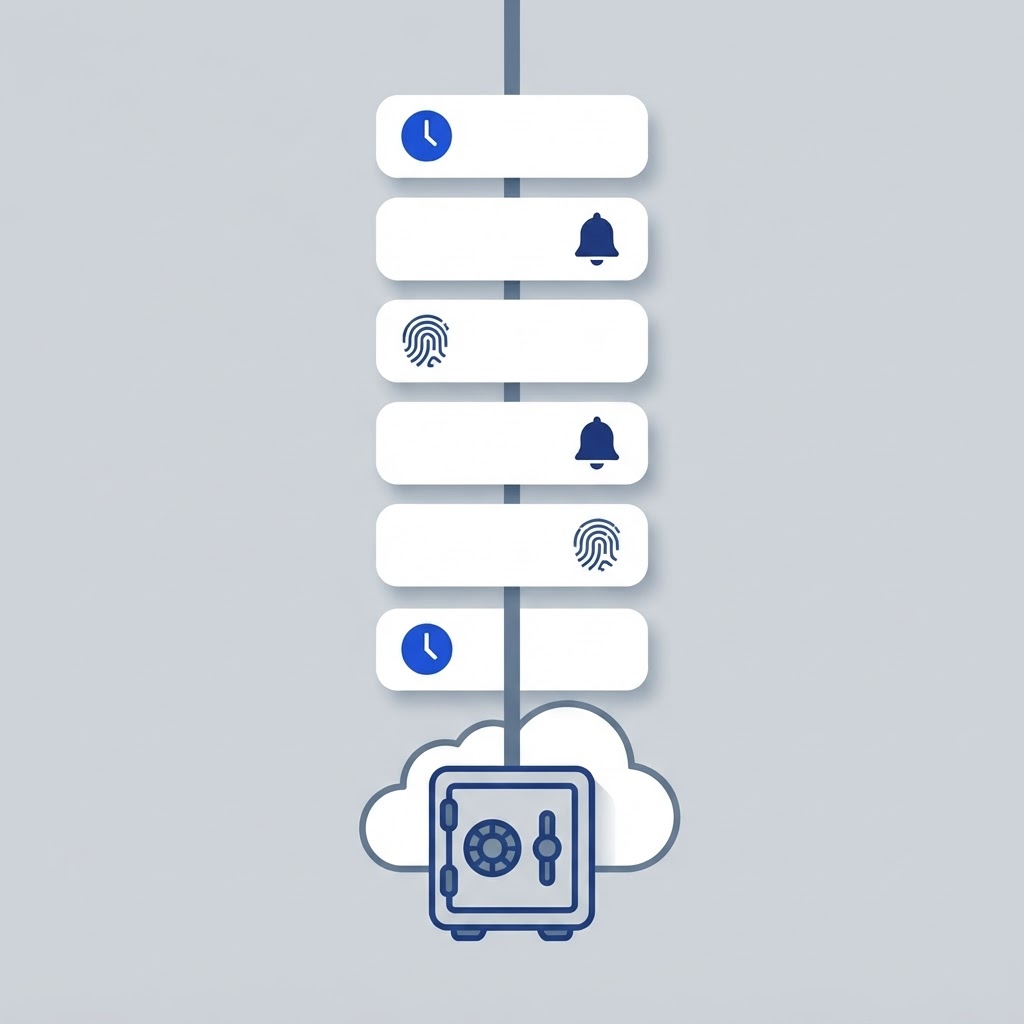
DoorBird Manager stores each event the moment your intercoms report it: doorbell calls, keypad and RFID entries, relay releases and motion, each with the device it came from, the source it is assigned to, the property and the exact time. Filter the access log by event type, device or date range and the answer to "what happened at the building last Tuesday" is right there.
- Doorbell, keypad, RFID, relay and motion events stored permanently
- Bursts and repeated requests merged, so one visitor is not five events
- Per-device health — active, quiet or silent — so a dead intercom stands out
- Unrecognized keypad and bell sources flagged instead of silently ignored
Automated email reports
The activity report that sends itself
Set up a daily, weekly or monthly report and it is emailed to the people who need it — owners, board members, your on-site team — at the hour you choose, in the property's own timezone. Every report carries the period totals, the activity trend, the breakdown by event type, device and source, and the recent event log, wearing your logo and colours.
- Daily, weekly or monthly delivery at the hour you set
- Totals plus by-type, by-device and by-source breakdowns and recent activity
- Your logo, accent colour and footer note on every email
- One report per property, or a single report across the whole portfolio

Sharing between managers
Give another manager the record, not your logins
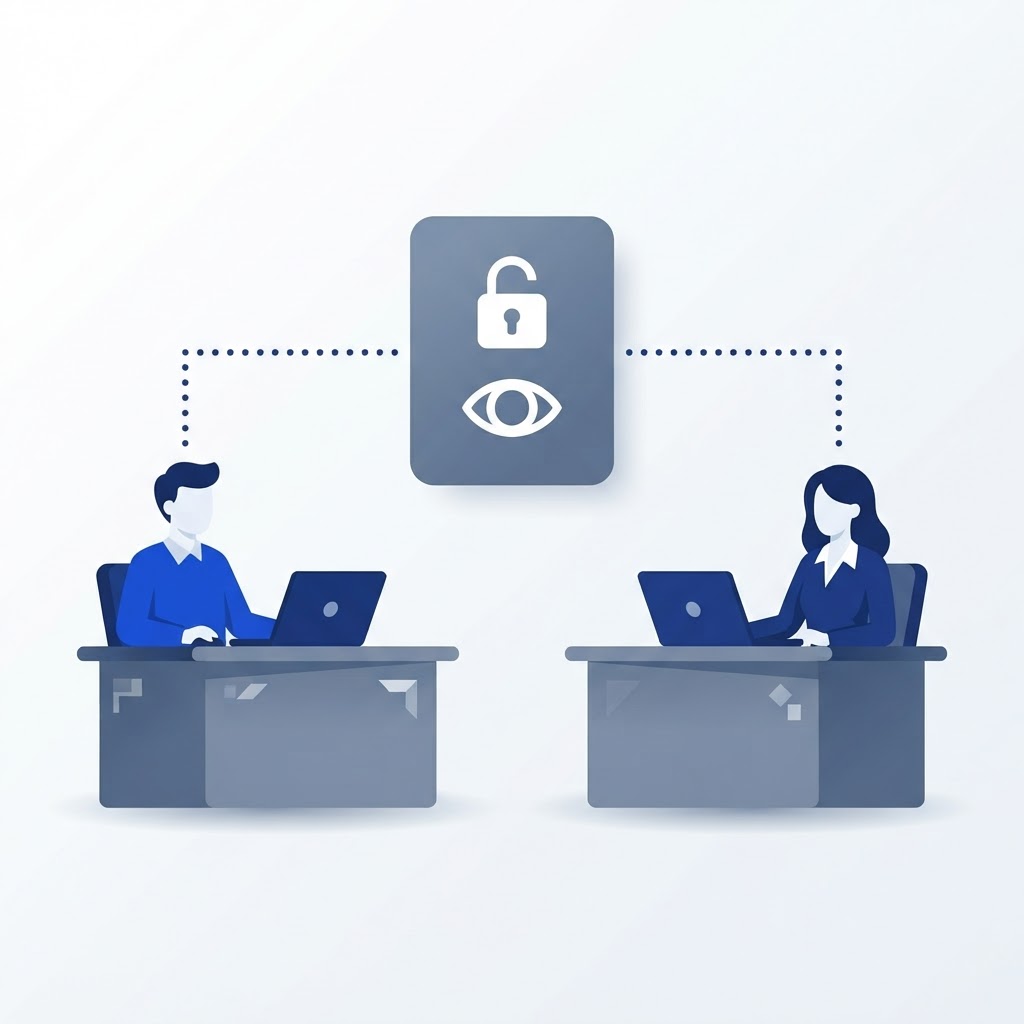
Invite a property manager, an owner or your front desk as a read-only viewer. They see the event history and the report log for the account — nothing to install, no DoorBird credentials, and no way to change a device. Every invitation and every removal is recorded, so you always know who had access and when.
- Read-only access to the event history and the reports
- Invited by email — they keep their own login
- Access revoked in one click, with the full sharing history kept
- Works for a whole portfolio or a single property
How it works
Live in three steps, with the setup done for you
DoorBird Manager sits alongside the devices you already own. We handle the device configuration, so there is nothing for your team to install.
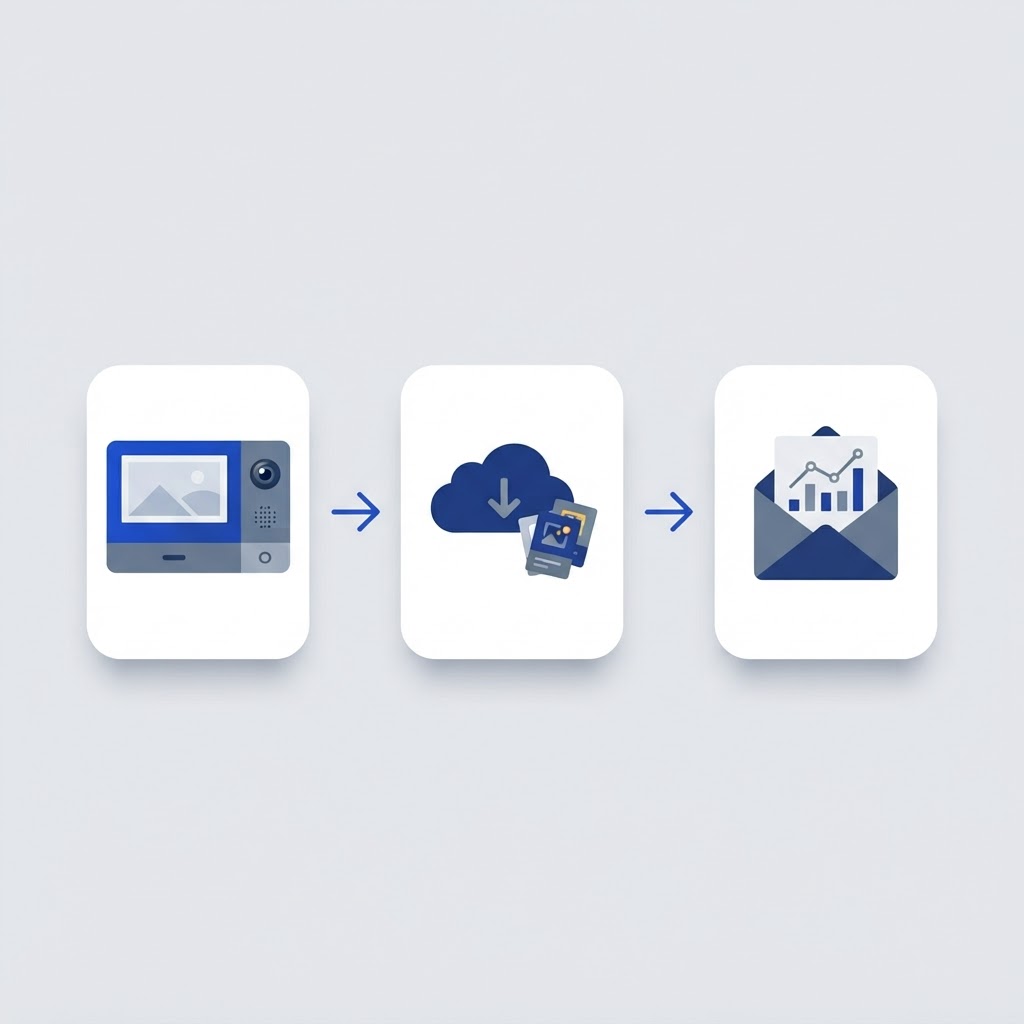
We add your properties and devices
Each DoorBird intercom gets its own event address in DoorBird Manager, wired into the device's call and motion settings by our team. You send us the model list; we do the configuration.
Every event lands in the history
Doorbell, keypad, RFID and motion events stream in and are merged and labelled by source — Unit 4B, Front entrance, Garage — with device health tracked as they report.
Reports go out, your team gets access
Schedule the emailed report, invite the managers and owners who need the record, and let the history build itself week after week.
Pricing
One price per device
One price per DoorBird device covers the full event history, the automated email reports and read-only access for the managers and owners who need the record.
Billed per DoorBird device on the account. Tell us your device count and we will confirm the monthly total for your portfolio.
- Complete event history for every DoorBird device
- Automated daily, weekly or monthly email reports
- Read-only sharing with managers, owners and front desk
- Device setup and event configuration handled by ACP
DoorBird access log, activity and visitor history questions
Do we need new hardware?
No. DoorBird Manager works with the DoorBird intercoms you already have, from the D1101 range through the D2101 and D21DKV panels to BirdGuard. We add a private event address to each device and the history starts building from that moment.
Where does the event history actually live?
In your DoorBird Manager account, not on a phone. Every event is stored with its device, source, property and timestamp and stays there, so months later you can still produce the record for an owner, a resident or an insurer.
What does it cost?
Twenty dollars per device per month. That one price covers the event history, the automated email reports and read-only sharing with your managers and owners. Tell us your device count and we will confirm the monthly total.
Can another manager see the history without my login?
Yes. Invite them by email as a read-only viewer: they see the event history and the reports for the account only, they keep their own login, and you can revoke access at any time — with the sharing history showing who had access and when.
What is a DoorBird access log?
A DoorBird access log is the record of every entry the intercom reports: keypad codes, RFID cards, the relay releases that open a gate or door, and the doorbell calls that led to them. DoorBird Manager stores each entry with its device, source, property and local time, so the log can be filtered by date range, device or event type long after the event.
Can we look up who visited the building on a specific day?
Yes. Open the visit history, choose the date range and the property or device, and every visitor event in that window is listed — what time they rang, which unit or door they came from, and how the entry was made. The record does not depend on a phone, an SD card or a recording that has since rolled over.
How is this different from the DoorBird app?
The DoorBird app shows events live on the phone that is signed in. DoorBird Manager keeps a separate, permanent record for the whole portfolio: repeat rings merged into one visitor event, intercoms that go quiet flagged, scheduled email reports sent automatically, and read-only viewers invited for managers and owners.
Which DoorBird models does DoorBird Manager work with?
Any DoorBird device that can be pointed at an event address, including the D1101 range, the D2101 and D21DKV panels and BirdGuard — the hardware you already own. There is no new equipment to buy and no need to replace the DoorBird app your residents use.
Is the visitor history private?
Yes. The history lives in your DoorBird Manager account and is never public. Viewers are invited by email with read-only access to the history and reports, never to your devices, and access is revoked in one click with the sharing history kept as the audit trail.
Who uses DoorBird Manager?
Property managers, HOAs and boards, apartment and student-housing operators, self-storage and commercial buildings, and the security or IT integrators who support them — anyone who has to produce a record of who came to a door and when.