
Phone systems for restaurants where a missed call is a lost order
In a restaurant the phone rings during the exact hours when everyone is busiest. A takeout order that goes unanswered is revenue that goes to another kitchen, and a reservation call that rings out is a table that sits empty. The right phone system routes calls by what the caller wants, handles the rush without adding staff, and tells you when you are missing calls.
- Separate paths for reservations, takeout and private events
- Busy-hour queues with call-back options instead of endless ringing
- Menu, hours and location details answered automatically
On-site across the Bay Area · Remote anywhere in California · No obligation, no pressure
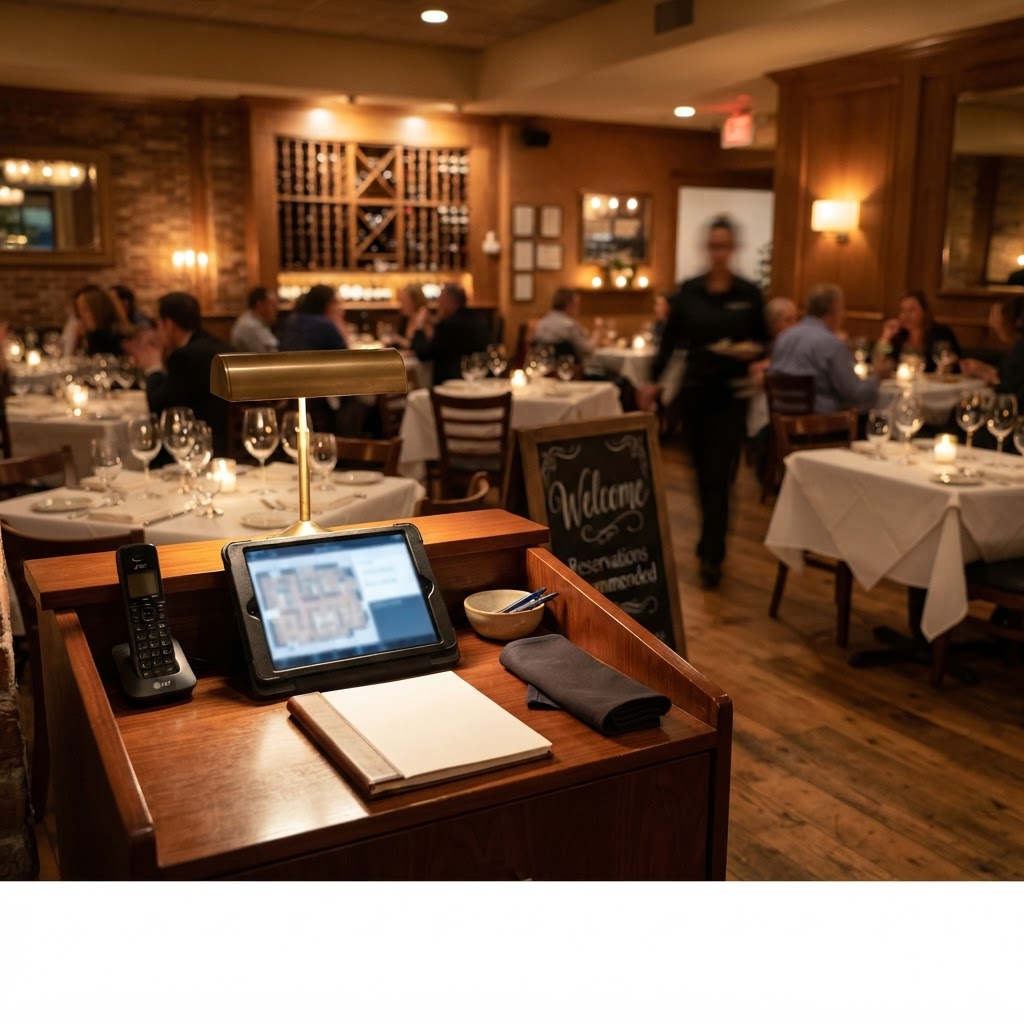
What restaurant operators deal with
Restaurant phone traffic is bursty and mostly predictable. These are the recurring problems.
Calls arrive exactly at service
Takeout orders, reservation requests and questions about hours all land between 11:30 and 1:30 and again at dinner, when staff are on the floor.
A menu that answers the routine questions — hours, address, reservations — and routes takeout to a phone position, with a queue so calls are held in order instead of ringing out.
Voicemails pile up unread
Orders and reservation requests left as messages are found hours later, after the service period has passed.
Voicemail-to-email with transcription, so messages are readable on a phone during service and can be actioned while the caller is still deciding where to eat.
Multiple locations confuse callers
A customer calls one location asking for another, and staff spend the evening transferring or explaining.
Local numbers per location with a shared menu, plus extension dialing between sites for managers, so callers reach the right kitchen and internal calls are free.
Nobody knows how many calls are missed
Operators sense that calls are being missed during the rush but have no data to prove it or to justify another phone position.
Call reporting by hour and by number showing volume, answered and abandoned calls — the evidence needed to staff the phone during peak windows.
What you gain with VoIP for Restaurants
Orders routed, not buried
Takeout and reservations take separate paths so they are handled by the right person.
Rush hour handled
Queues with announcements and call-back options keep callers engaged instead of hanging up.
Every location reachable
Local numbers per site, with manager extensions dialing free between kitchens.
Missed calls visible
Hourly reporting that shows when the phone is outrunning the people answering it.
Cheaper than extra staff
Automating hours, address and reservation questions frees the crew for service.
Features we configure first
These are the features we configure first, because they carry the weight in this kind of business.
Auto attendant
Answers hours, address and directions automatically and offers reservations or takeout as options.
Call queues
Holds takeout calls in order during the rush, with a position announcement so callers wait instead of redialing.
Ring groups
Takeout and host positions ring together, so a busy host does not mean an unanswered order.
Voicemail-to-email
Messages arrive written and time-stamped, which matters when service is over in an hour.
Business SMS
Text order confirmations and pickup details from the restaurant number.
Call recording
Useful for resolving order disputes and coaching phone handling during peak hours.
Multiple locations
A number per restaurant with manager extensions across sites and free internal calling.
Call analytics
Calls per hour, answered versus abandoned, and volume by location — the basis for staffing decisions.

Example: a three-location restaurant group
Three restaurants, each with a host stand and a takeout position, plus a catering line shared by the group:
- 1
Customer calls a location
Each restaurant keeps its local number; the greeting gives hours and address before offering options.
- 2
Takeout order
Routes to the takeout queue, where it rings both the takeout phone and the host stand during the rush.
- 3
Reservation request after hours
The closed greeting explains hours, takes a reservation message by email, and texts the booking link instead of losing the call.
- 4
Catering inquiry
Routes to a shared group covering all three locations, so the inquiry is handled by whoever is available.
Routine questions are answered without staff, takeout calls are held in a queue rather than ringing out, and each location keeps its own number. Reporting shows exactly which hours need another phone position.
What a restaurant phone system costs
Restaurant pricing is less about seats and more about how many calls arrive at once and whether orders come by phone or online.
Lines rather than seats
Most restaurants need fewer licensed users than lines that can ring simultaneously.
Order and reservation lines
One or more published numbers, each a small recurring charge.
Peak call capacity
Friday-night volume needs enough concurrent channels — this is exactly where cheap plans fail.
Greetings and on-hold
Recording and updating the greeting and on-hold content, plus any charge for changes.
Multi-location handling
Shared numbers, location-based routing and head-office reporting across sites.
Hardware
Cordless handsets, host-stand or kitchen phones, headsets, and any cabling work.
Tell us how many calls hit you in the busiest hour and we will size the lines rather than the seats — that is usually where the savings are for a restaurant.
Common questions, answered
Related VoIP solutions
Pages that usually help Restaurants buyers narrow down the right approach.
Get a Free VoIP Consultation
Two short steps: your contact details, then (optionally) what you need. We come back within one business day with carrier options, per-user pricing and your savings against the current bill.
Starting this form tells our team you're interested, so we can prepare your quote. We use your details only to price and follow up on your VoIP inquiry.
Let's build the right phone system for your restaurant.
Tell us how many locations and phone positions you have and when the rush hits. We will design routing for reservations and takeout, then quote it per location and per user.
No obligation · number porting included · hardware free on qualifying plans